
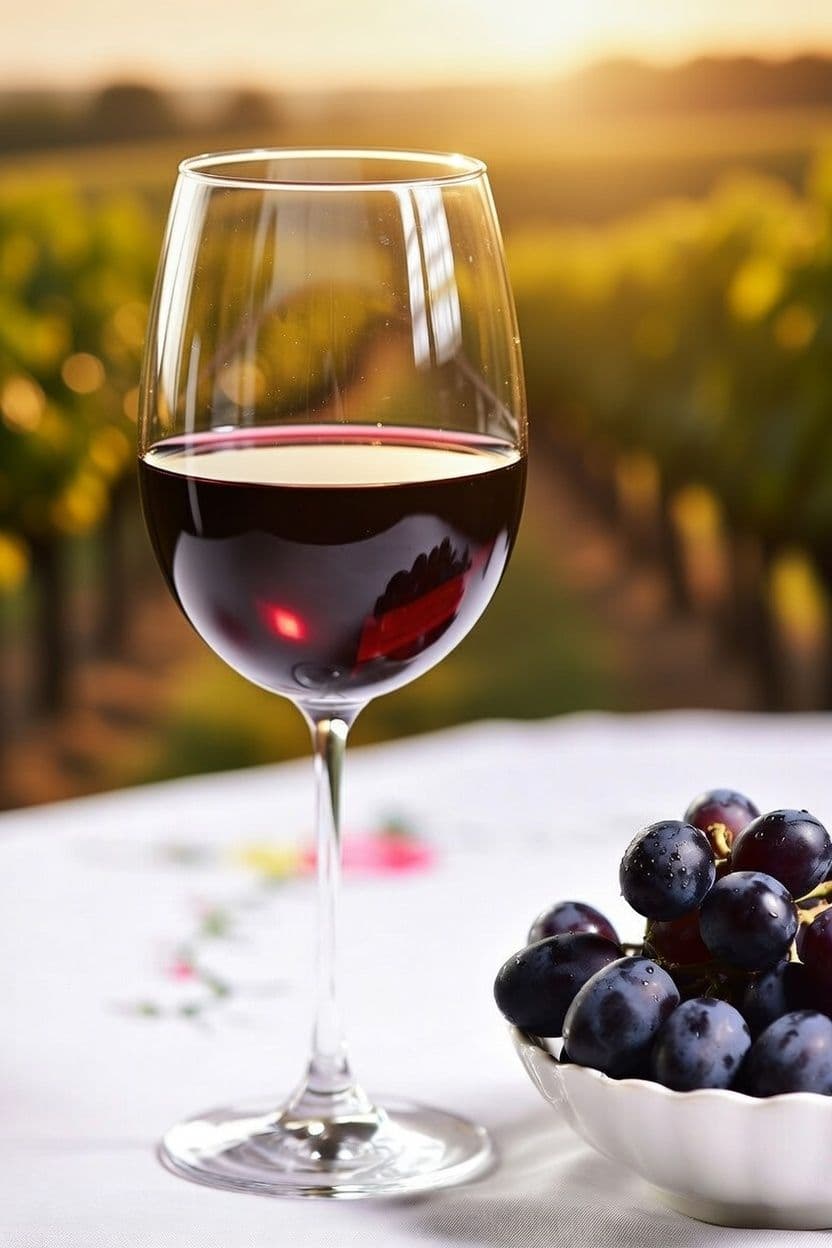
Grape harvesting sounds romantic—and sometimes it is. Picture rolling vineyards, early morning mist, and clusters of grapes glistening in the sun. But behind every glass of wine or bowl of fresh grapes is a harvest season that’s equal parts science, tradition, and hard work.
Whether grapes are destined for winemaking, juice, or your local grocery store, harvesting is one of the most critical moments in the grape-growing calendar. Get it right, and you’re rewarded with flavour, balance, and quality. Get it wrong, and months (or years) of work can unravel quickly.
So what actually goes into grape harvesting? Let’s break it down.
Why Harvest Timing Matters So Much
Grapes don’t just “ripen” in a simple way. As they mature, several things happen at once:
Sugar levels increase (important for sweetness and alcohol in wine)
Acidity decreases (too much = sour, too little = flat)
Flavour compounds develop
Tannins soften (especially important for red wine grapes)
Harvest too early, and grapes can taste sharp and underdeveloped. Harvest too late, and they risk being overly sweet, flat, or even spoiled.
This balancing act is why vineyard managers obsess over numbers like Brix (sugar measurement), pH, and acidity—but also rely on something less scientific: tasting the grapes. You can measure chemistry, but your palate still matters.
When Does Grape Harvesting Happen?
Harvest season depends on geography, grape variety, and climate, but generally:
Northern Hemisphere: August to October
Southern Hemisphere: February to April
Warmer regions tend to harvest earlier; cooler climates often wait longer for grapes to fully ripen. White grapes are usually harvested before red grapes because they don’t need as much hang time to develop their characteristics.
Weather plays a huge role. A sudden rainstorm can swell grapes with water, diluting flavour. Heatwaves can cause grapes to overripen quickly. And early frost? That’s every grower’s nightmare.
Hand Harvesting vs. Machine Harvesting
There are two main ways grapes are harvested, and both have their place.
Hand Harvesting
This is the traditional method—workers cut grape clusters from the vine using pruning shears.
Pros:
Gentle on the grapes
Allows for selective picking (only ripe clusters)
Better for steep or uneven terrain
Often preferred for premium wines
Cons:
Labour-intensive
Slower
More expensive
Hand harvesting is still common in high-end vineyards and regions where machines simply can’t operate safely.
Machine Harvesting
Mechanical harvesters shake vines so grapes fall into collection bins.
Pros:
Fast and efficient
Cost-effective for large vineyards
Can harvest at night (cooler temps preserve freshness)
Cons:
Less selective
Can damage vines if not managed properly
May include leaves or stems in the mix
Many modern vineyards use a mix of both, depending on the grape variety and final product.
The Importance of Harvest Conditions
Believe it or not, many grapes are harvested at night or early morning. Why?
Cool temperatures help:
Preserve acidity
Reduce oxidation
Slow down unwanted fermentation
Keep grapes fresh during transport
Hot daytime harvesting can stress grapes and compromise quality—especially in warm climates.
Once grapes are picked, time becomes critical. They’re usually rushed to processing facilities as quickly as possible to avoid spoilage.
What Happens Right After Harvest?
Harvesting is just the beginning.
For wine grapes:
They’re sorted to remove damaged or unripe fruit
Destemmed (sometimes)
Crushed or pressed
Sent into fermentation almost immediately
For table grapes:
They’re cooled quickly
Washed and sorted
Packaged for distribution
Every step after harvest is designed to protect the grape’s integrity and flavour.
Harvest Is Physical (and Emotional) Work
Ask anyone who’s worked a harvest, and they’ll tell you—it’s intense.
Days are long. Weather is unpredictable. Decisions feel high-stakes. Vineyard teams might work seven days a week during peak harvest because grapes won’t wait.
But there’s also a strong sense of camaraderie. Harvest season brings together growers, workers, winemakers, and families. Meals are shared. Stories are told. And there’s real pride in seeing the fruit of a year’s labour finally come off the vine.
How Climate Change Is Changing Grape Harvesting
In recent years, grape harvesting has been shifting earlier in many regions due to rising temperatures. Some vineyards now harvest weeks earlier than they did decades ago.
This creates challenges:
Faster ripening can reduce complexity
Higher sugar means higher alcohol in wine
Heat stress can damage vines
Growers are adapting by changing canopy management, experimenting with new grape varieties, and adjusting harvest strategies—but it’s an ongoing challenge.
Why Harvesting Still Matters to You
Even if you’ve never set foot in a vineyard, grape harvesting affects what ends up in your glass or on your table.
That bottle of wine you enjoy with dinner? Its flavour, balance, and character were largely decided on harvest day. The sweetness and crunch of fresh grapes? Same story.
Harvest is where nature and human judgment collide—and that’s what makes it so fascinating.
Final Thoughts
Grape harvesting is more than just picking fruit. It’s a moment where patience meets urgency, science meets instinct, and tradition meets innovation.
So next time you sip a glass of wine or snack on fresh grapes, take a second to appreciate the timing, effort, and care that went into that harvest. Because for growers, harvest season isn’t just a job—it’s the payoff for an entire year of watching, waiting, and hoping the weather cooperates.