When the last field is finished, the days get shorter, and the mud finally dries on your boots, it’s tempting to put the machine in the shed, shut the door, and forget about it until spring. After all, it’s not being used — what could go wrong?
Plenty, as it turns out.
Winter is when a lot of farm machinery problems quietly begin. Corrosion creeps in, batteries go flat, seals dry out, rodents move in, and next season starts with frustration, delays, and unexpected repair bills. The good news is that a bit of out‑of‑season care goes a long way. With some basic maintenance and a quick read of the manual, you can put machines away properly and have them ready to go again next year.
This short guide is written for general farmer and operators alike — no engineering degree required.
Why Does Machinery Go Wrong in the Shed?
It seems counter‑intuitive. Machines are resting, not working, so why do they break down over winter?
The main reason is neglect combined with time.
Moisture is enemy number one. Even in a dry shed, temperature changes cause condensation. That moisture settles on metal surfaces, electrical connections, and inside fuel tanks. Over months, it leads to rust, corrosion, and contamination.
Then there are fluids and seals. Oils sit still, allowing contaminants to settle. Rubber seals and hoses that aren’t exercised can harden or crack. Grease slowly separates and loses effectiveness.
Batteries don’t like being ignored either. A battery left connected will slowly discharge, especially in cold conditions. By spring, it may be completely dead — or worse, damaged beyond recovery.
And let’s not forget rodents. Warm, quiet sheds are perfect homes. Wiring looms, insulation, hoses, and cab upholstery all make attractive nesting material.
None of this happens overnight. That’s why winter maintenance is less about fixing problems and more about preventing them.
Clean First, Store Second
Before you think about storage, clean the machine properly. This isn’t just about looks — dust and dirt traps moisture and hides damage.
Start with an air line, blow through and thorough wash, paying attention to:
Undercarriages
Wheel hubs and axles
Radiators and cooling packs
Implements and attachment points
Let everything dry completely before parking it up. If you put a wet machine into a shed, you’re effectively sealing in moisture for months.
Once clean, it’s much easier to spot cracks, leaks, worn hoses, or loose bolts that should be dealt with before storage.
Follow the Manual (Yes, Really)
Manuals often get ignored until something goes wrong, but they are gold when it comes to off‑season care.
Most manufacturers include a storage or seasonal shutdown section that covers:
Recommended fluid changes
Lubrication points
Fuel treatment advice
Battery care
Specific precautions for that machine
These instructions aren’t generic. They’re based on how the machine was designed and tested. Following them reduces the risk of warranty issues and avoids mistakes like using the wrong grease or overlooking hidden service points.
If you don’t have the manual, check out online. It’s worth tracking down. - www.agrimanuals.com
Fluids: Change or Check?
Winter is a good time to deal with fluids because the machine isn’t needed.
Engine oil should ideally be changed before storage. Used oil contains acids and contaminants that can damage internal components over time.
Fuel systems deserve special attention. For diesel machines, condensation in partially filled tanks can lead to water contamination and microbial growth. Many manuals recommend filling the tank completely and adding a fuel stabiliser before storage.
Check coolant strength to make sure it’s adequate for winter temperatures. Freezing coolant can cause catastrophic engine damage.
Hydraulic and transmission oils should at least be checked for condition and correct levels, even if a full change isn’t required.
Don’t Forget Lubrication
Greasing is one of the simplest and most effective storage steps.
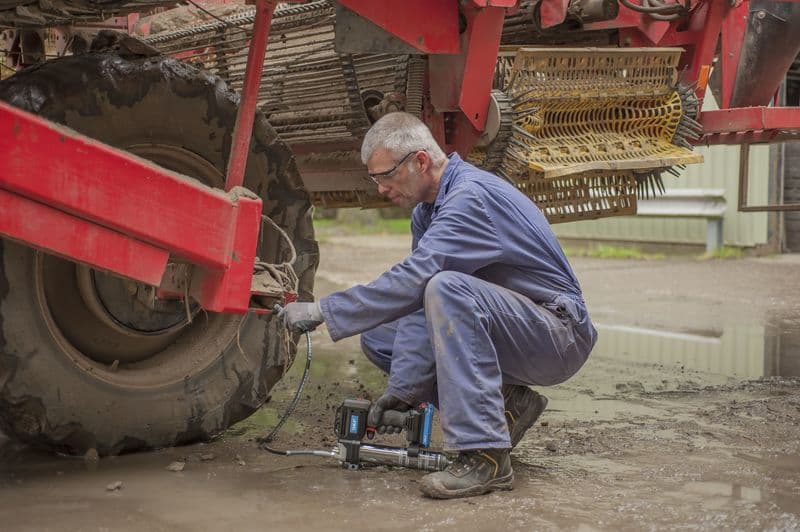
Fresh grease pushes out moisture and contaminants, protecting bearings, pins, and joints. Go through every grease point listed in the manual — including ones that are easy to forget.
For exposed metal parts such as rams, linkages, and PTO shafts, a light coating of protective oil or corrosion inhibitor can make a big difference.
Battery Care: A Common Winter Casualty
Dead batteries are one of the most common springtime headaches.
If possible, remove batteries and store them in a cool, dry, frost‑free place. Keep them fully charged using a maintenance charger.
If batteries stay in the machine:
Disconnect the terminals
Clean and protect connections
Check charge levels periodically
A little attention over winter can double a battery’s lifespan.
Rodent Prevention
You may not win every battle, but you can reduce the risk.
Keep sheds tidy and free of feed spills. Block obvious entry points where possible. Some operators use deterrents like traps, bait stations, or ultrasonic devices.
Opening engine bays and cabs occasionally during winter checks can also discourage long‑term nesting.
Tyres, Tracks, and Weight
For wheeled machines, check tyre pressures and adjust them to recommended storage levels. If possible, move the machine occasionally to prevent flat spots.
Tracked machines should be cleaned thoroughly and tension checked according to the manual.
Removing unnecessary weight — such as mounted implements — can reduce strain on tyres, axles, and suspension.
Location Matters
A dry, covered shed is ideal, but not all storage is equal.
Avoid parking machines directly on damp soil. Concrete or hardstanding is much better. If outdoor storage is unavoidable, use breathable covers and make sure drainage is good.
Good airflow reduces condensation, so completely sealed sheds aren’t always the best option.
Ready to Go Again Next Year
Winter maintenance isn’t glamorous, but it pays off when the season starts.
A machine that’s been cleaned, serviced, lubricated, and stored correctly will:
Start more easily
Breakdown less
Last longer
Cost less to run
Most importantly, it won’t let you down when timing matters most.
Instead of dreading the first key turn of spring, you can focus on the job ahead — confident that what you parked up months ago is ready to work again.
Self propelled machines or implements? The advice is the same.
A little effort now saves a lot of frustration later, and your future self will thank you for it.