
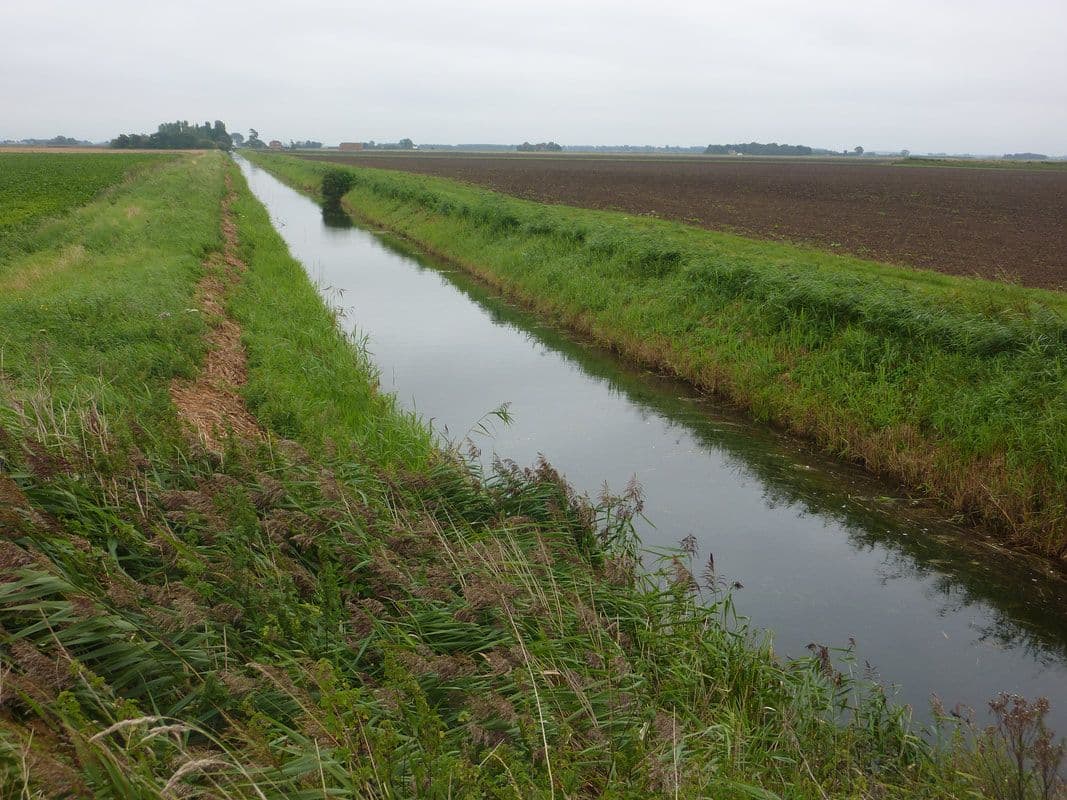
The Fens stretch wide and low across eastern England, a landscape shaped as much by water as by human hands. To the casual visitor, the area might appear flat and simple—fields divided by straight lines, big skies, and quiet roads. But look a little closer and you’ll notice a network of channels threading through the land. These are the ditches, and maintaining them—known as ditching—has long been one of the most important jobs on the Fens.
Centuries ago, much of the Fenland was marsh. Seasonal floods, reed beds, and shallow lakes made farming difficult but created a rich wetland ecosystem. In the seventeenth century, large-scale drainage projects began to transform the region. Engineers and labourers dug long drains and embankments, redirecting water into rivers and out toward the sea. The result was fertile farmland—but only if the drainage system continued to work. That responsibility still falls, in part, to ditching.
Ditching is the practice of clearing, deepening, and shaping drainage ditches so water can flow freely. Over time, ditches fill with silt, weeds, and fallen debris. Without maintenance, they become blocked, and water backs up into the surrounding fields. In a landscape as low-lying as the Fens, that can quickly mean flooded crops and unusable land.
Traditionally, ditching was done by hand. Workers would stand in the ditch with shovels or long-handled tools, scraping mud from the bottom and tossing it onto the banks. It was heavy, messy work, especially in winter when the ground was cold and wet. Farmers often worked in teams, clearing sections of ditch along field boundaries. The freshly dug mud—known as “spoil”—would dry on the bank and help reinforce the edges of the channel.
Today, much of the work is done with machinery. Excavators with long arms can reach down into the ditch and scoop out silt in large buckets, finishing in hours what once took days. Despite the change in tools, the goal remains the same: keep the water moving.
Timing is also important. Ditching is usually carried out in late autumn or winter, after the harvest but before the main growing season. This avoids damaging crops and also reduces disturbance to wildlife during nesting periods. Even so, ditching must be done carefully. Many species—from frogs and newts to dragonflies and water voles—depend on ditch habitats. Responsible management often means leaving sections untouched or clearing alternate stretches each year to allow wildlife to recolonize.
For people who live and work on the Fens, ditching is simply part of the rhythm of the land. It’s not glamorous work, and it rarely draws attention, but it quietly protects the fields and farms that depend on proper drainage. Without it, the reclaimed land would slowly slip back toward the marsh it once was.
In a place where the battle between land and water never truly ends, ditching remains a small but vital task—one that keeps the Fenland landscape functioning season after season.