
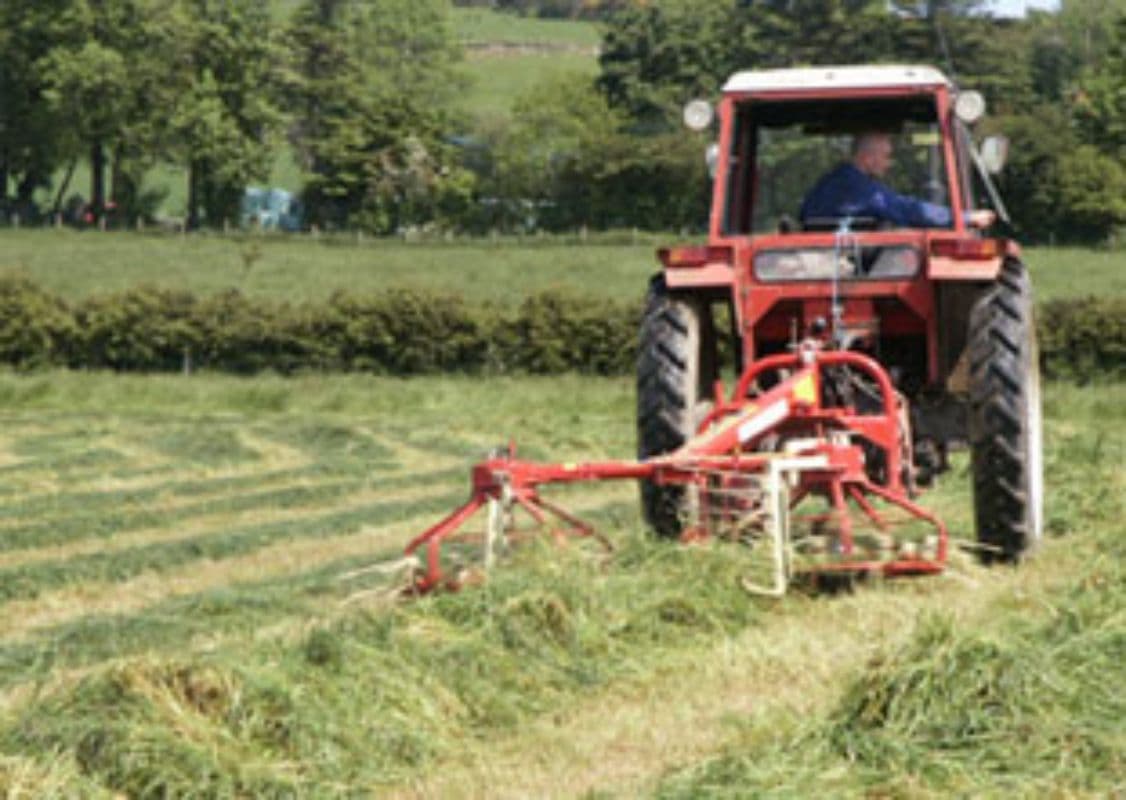
Producing high-quality hay is essential for farmers and smallholders who rely on forage to feed livestock throughout the year. Good hay not only provides valuable nutrition, but it also reduces waste, improves animal health, and helps lower feed costs. Two important steps in the hay-making process that are often overlooked are tedding and raking. When carried out correctly, both operations can make a significant difference to the final quality of the crop.
What is Tedding?
Tedding is the process of spreading and turning cut grass after mowing to speed up the drying process. A tedder lifts and fluffs the crop, allowing air and sunlight to reach more of the forage. This helps moisture escape more evenly and reduces the risk of damp patches remaining within the swath.
For farmers and smallholders, faster drying means less dependence on perfect weather windows. In the UK especially, where conditions can change quickly, reducing drying time by even a single day can protect a crop from unexpected rain and spoilage.
Benefits of Tedding
Faster Drying Times
Freshly cut grass contains a high level of moisture, and if it is left in heavy rows, drying can be slow and uneven. Tedding spreads the crop more evenly across the field, exposing more surface area to the sun and wind. This shortens drying time and helps preserve valuable nutrients.
Improved Hay Quality
When hay dries quickly, it retains more of its natural colour, leaf content, and nutritional value. Slow drying can lead to mould, fermentation, and leaf loss, all of which reduce feed quality. Tedding helps create a cleaner, more consistent forage crop that livestock will readily eat.
Reduced Weather Risk
Rain falling on partially dried hay can cause significant damage, washing away nutrients and encouraging spoilage. By speeding up the drying process, tedding reduces the amount of time the crop is vulnerable in the field.
What is Raking?
Raking is the process of gathering dried grass into neat windrows before baling. This makes it easier for the baler to pick up the crop efficiently and produce consistent, well-shaped bales. Raking should be carried out when the crop has reached the correct moisture level, usually just before baling.
Benefits of Raking
Cleaner Forage
A good rake lifts the crop carefully without dragging too much soil, stones, or debris into the windrow. Cleaner hay means better feed hygiene and reduced risk of contamination for livestock.
Improved Baling Efficiency
Even, well-formed windrows help balers work more efficiently. This reduces missed material, improves bale density, and saves both time and fuel during harvesting. For smallholders working with smaller equipment, this can make the baling process far more manageable.
Reduced Leaf Loss
Timing is important when raking. If handled too aggressively or when the crop is too dry, valuable leaves—particularly in crops like clover or alfalfa—can be lost. Modern rakes are designed to handle forage more gently, helping to preserve feed quality.
Choosing the Right Equipment
Whether managing a large farm or a smaller holding, using the right tedder and rake for the size of the operation is important. Smaller compact machines may suit smallholders with limited acreage, while larger farms may benefit from wider working widths and higher-capacity equipment.
Regular maintenance is also essential. Well-adjusted machinery delivers better results, reduces field losses, and improves overall efficiency during the busy hay season.
Conclusion
Tedding and raking are not simply extra steps in hay making—they are key parts of producing high-quality forage. Tedding helps the crop dry faster and more evenly, while raking prepares it for efficient and clean baling. Together, these processes improve feed value, reduce waste, and protect the crop from weather-related losses.
For farmers and smallholders alike, investing time and care into these stages can lead to better hay, healthier livestock, and stronger returns from every field.
Tedder and Rake Manuals
Paper Copies - www.agrimanuals.com
Digital Manuals - www.digiagrimanuals.com
Instant PDF Downloads - www.agrimanualspdfvault.com