
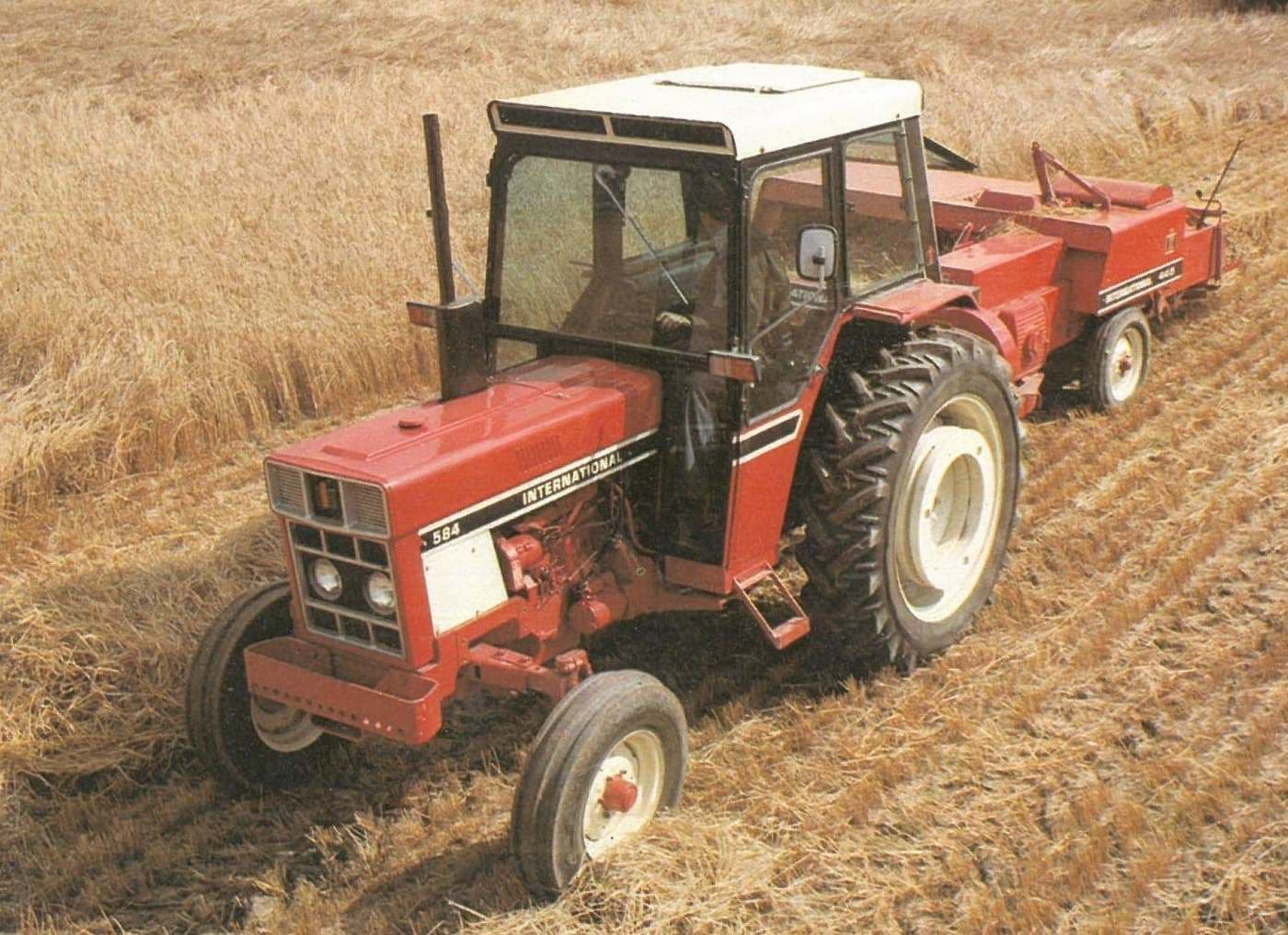
When it comes to conventional baler maintenance, knotters and needles (we have a blog on them - click here) often get most of the attention—and for good reason. However, many of the components that keep a baler running smoothly and producing consistent bales are found elsewhere on the machine. Regular inspection and maintenance of these areas can help prevent costly downtime during the busiest part of the season.
As always, before carrying out any maintenance work, refer to your operator's manual for the manufacturer's recommended service intervals, lubrication schedules, and adjustment procedures.
Pick-Up Reel
The pick-up reel is the first point of contact with the crop, making it one of the hardest-working parts of the baler. Regularly inspect pick-up tines for damage, bending, or excessive wear. Missing or damaged tines can reduce crop flow and lead to uneven feeding.
Check tine bars, reel bearings, and mounting hardware for wear or looseness. Keeping the pick-up clean and free of wrapped material will also help maintain smooth operation and reduce unnecessary strain on drive components.
Clutch
The clutch is designed to protect the baler from overload situations. Periodically inspect the clutch for signs of wear, overheating, or slipping. Friction surfaces should be clean and in good condition, while springs and adjustment mechanisms should be checked according to the manufacturer's specifications.
A clutch that is incorrectly adjusted may slip excessively or fail to protect the baler when required.
Gearbox
The gearbox transfers power throughout the baler and requires regular attention. Check oil levels at the intervals specified in the operator's manual and inspect for any signs of leaks around seals and gaskets.
Listen for unusual noises during operation, as grinding or excessive vibration can indicate internal wear. Maintaining the correct oil level and using the recommended lubricant can significantly extend gearbox life.
Chains and Sprockets
Chains are critical to keeping the baler's moving parts synchronized. Inspect all drive chains regularly for correct tension, wear, and proper lubrication. A dry or stretched chain can cause premature sprocket wear and may eventually fail in the field.
When checking chains, inspect sprockets for hooked or worn teeth. Replacing worn chains and sprockets together often provides the best long-term reliability.
Greasing Points
Routine greasing is one of the simplest and most effective maintenance tasks. Every grease point on the baler has a purpose, whether it's protecting bearings, pivots, or moving linkages.
Follow the lubrication schedule outlined in the operator's manual and ensure the correct grease is used. While greasing, take the opportunity to inspect components for wear, damage, or loose fasteners.
Plunger
The plunger is at the heart of bale formation and should be inspected regularly. Check plunger bearings, slides, and wear pads for excessive wear. Proper clearance and alignment are essential for smooth operation and consistent bale density.
Loose or worn components can increase vibration, affect bale quality, and potentially cause more serious damage if left unattended.
Metering Wheel
The metering wheel plays an important role in measuring bale length and controlling bale consistency. Inspect the wheel for wear, damage, or crop buildup that may interfere with its operation.
Check associated linkages, sensors, or trip mechanisms to ensure they move freely and function correctly. Accurate metering helps produce uniform bales and improves overall baling efficiency.
Bale Chamber
The bale chamber is where the final product takes shape. Regularly inspect the chamber for excessive wear, damaged rails, loose hardware, or crop buildup.
Pay particular attention to bale tension components and adjustment mechanisms. Keeping the chamber clean and properly adjusted helps maintain bale shape, density, and overall quality.
Final Thoughts
Preventative maintenance is one of the best investments you can make in your baler. While knotters and needles often take centre stage, components such as the pick-up reel, clutch, gearbox, chains, plunger, metering wheel, and bale chamber are equally important to reliable operation.
A few minutes spent inspecting and servicing these areas before and during the season can help reduce downtime, improve bale quality, and keep the baler performing at its best. Most importantly, always refer to the operator's manual for maintenance procedures and service intervals specific to your machine.